
0

Understanding Disc Golf Plastic Types: Materials Explained
Disc golf discs are crafted from specialized plastics that do more than just look cool. Some premium plastics can last over 2 years of heavy play, outlasting entry-level options by more than five times. Most players expect the right plastic to give them a grip advantage or a longer throw. But the truth is, your choice of plastic can completely change how your disc flies and feels in your hand—and even the score you walk away with.
Table of Contents
- What Are Disc Golf Plastics And Their Importance?
- Key Differences Between Plastic Types In Disc Golf
- How Plastic Composition Affects Disc Performance
- Real-World Examples Of Disc Golf Plastic Types
- Choosing The Right Plastic For Your Game
Quick Summary
| Takeaway | Explanation |
|---|---|
| Understand different plastic types | Each type of disc golf plastic affects flight, grip, and durability. Knowing these helps enhance your performance. |
| Choose based on playing style | Match your disc’s plastic to your throwing technique; softer plastics for control, harder for distance. |
| Consider environmental conditions | Temperature and humidity impact plastic performance. Select versatile types for variable weather. |
| Select based on skill level | Beginners need forgiving, flexible discs; advanced players require consistent and durable options. |
| Experiment within your budget | Use baseline plastics for cost-effective trials before investing in premium options to improve your game. |
What Are Disc Golf Plastics and Their Importance?
Disc golf plastics are specialized materials engineered specifically for disc performance and durability. Unlike traditional frisbees, disc golf discs require precise material characteristics that dramatically impact flight, grip, and longevity. Each plastic type offers unique properties that influence how a disc behaves during throws.
The Science Behind Disc Golf Plastics
At its core, disc golf plastic is not a single uniform material but a complex composition designed to meet specific athletic requirements. Manufacturers develop different plastic blends that provide varying levels of flexibility, durability, and grip. These variations allow players to select discs that match their throwing style, skill level, and environmental conditions.
Performance Characteristics of Disc Golf Plastics
Disc golf plastics are typically categorized based on their key performance attributes. Some plastics prioritize grip for enhanced control, while others focus on durability and resistance to wear. The primary factors players consider include:
- Grip: How well the disc maintains contact with the player’s hand
- Stability: The disc’s ability to maintain a predictable flight path
Understanding Material Impact
The plastic type fundamentally determines a disc’s behavior. Softer plastics tend to be more flexible and provide better grip, making them ideal for putting and approach shots. Harder plastics offer greater wind resistance and maintain their original shape longer, which is crucial for distance drives.
Learning about different disc golf plastic types can significantly improve a player’s game by helping them choose the right equipment for specific throwing techniques and course conditions.
Key Differences Between Plastic Types in Disc Golf
Disc golf plastics are not created equal. Each type presents unique characteristics that profoundly impact a disc’s performance, making the selection process critical for players seeking optimal gameplay. Understanding these differences allows disc golfers to strategically choose equipment matching their skill level and playing conditions.
The table below compares the three main categories of disc golf plastics, highlighting their durability, grip, cost, and ideal use cases.
| Plastic Category | Durability | Grip | Cost | Ideal For |
|---|---|---|---|---|
| Baseline | Low | High | Low | Beginners, practice, putters |
| Standard | Moderate | Moderate | Moderate | Recreational, intermediate play |
| Premium | High | Moderate-Low | High | Advanced, long-term performance |
Performance Classification of Disc Golf Plastics
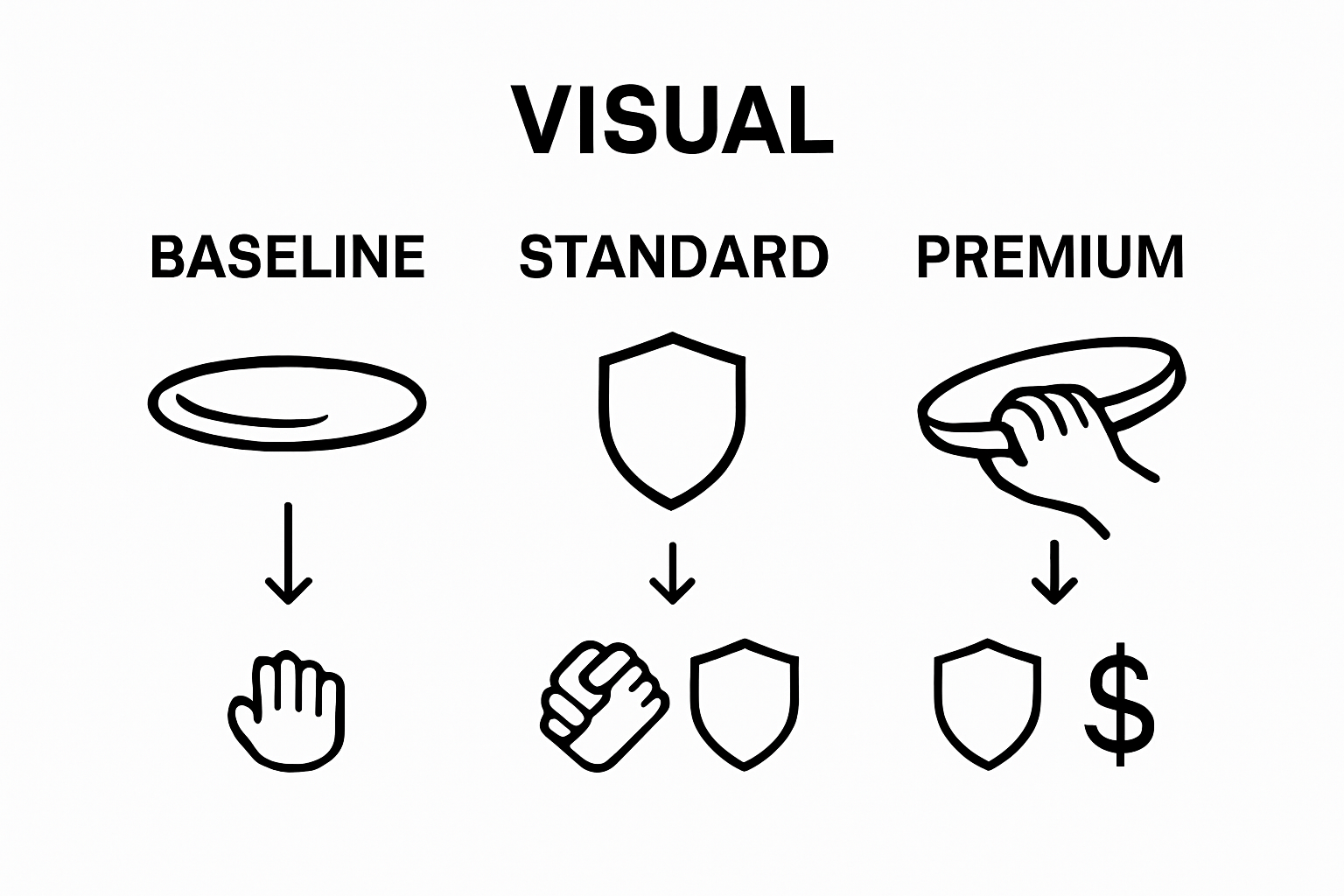
Manufacturers typically categorize disc golf plastics into three primary quality tiers: baseline, standard, and premium. Baseline plastics represent entry level materials with economical pricing and softer compositions. Standard plastics offer moderate durability and improved flight characteristics. Premium plastics provide superior performance with enhanced stability and longevity.
Grip and Durability Variations
The fundamental differences between disc golf plastics emerge through their grip and durability profiles. Softer plastic compounds provide exceptional grip, especially beneficial in wet or cold conditions. Harder plastic types maintain structural integrity longer, resisting wear from repeated impacts with trees, rocks, and ground surfaces.
Key performance considerations include:
- Flexibility: How much the plastic deforms during throwing
- Wear Resistance: The material’s ability to maintain original shape
- Temperature Sensitivity: How plastic characteristics change in different environmental conditions
Selecting the Right Plastic for Your Game
Choosing appropriate disc golf plastic requires understanding personal throwing technique and typical playing environments. Players seeking maximum control might prefer softer plastics, while those prioritizing long term disc performance will lean towards harder, more durable compounds.
Learn more about disc golf equipment selection to refine your understanding of plastic types and their impact on gameplay. By matching plastic characteristics to individual playing styles, disc golfers can significantly enhance their overall performance and enjoyment of the sport.
How Plastic Composition Affects Disc Performance
Plastic composition is the fundamental driver of a disc golf disc’s performance characteristics. The molecular structure and material properties directly influence how a disc behaves during flight, creating significant variations in trajectory, stability, and overall playability. Understanding these intricate relationships helps players make informed equipment selections.
Molecular Structure and Flight Dynamics
The internal molecular arrangement of disc golf plastics determines critical performance attributes. Different polymer configurations create distinct material behaviors, affecting factors like flexibility, rigidity, and energy transfer during throwing. Manufacturers strategically engineer these molecular structures to produce discs with specific flight profiles, enabling players to select equipment matching their throwing techniques.
Material Property Interactions
Plastic composition impacts multiple performance dimensions simultaneously.
Key interactions include:
- Elasticity: How the disc returns to its original shape after deformation
- Molecular Density: Influences weight distribution and aerodynamic properties
- Surface Texture: Affects wind resistance and initial release characteristics
Softer plastics demonstrate greater energy absorption, reducing ground impact damage and providing enhanced grip. Conversely, harder plastics maintain more consistent flight paths and resist structural deformation during high velocity throws.
Thermal and Environmental Responsiveness
Different plastic compositions exhibit varying responses to environmental conditions. Temperature fluctuations can dramatically alter a disc’s flexibility, stability, and overall performance. Some advanced polymer blends maintain consistent characteristics across wider temperature ranges, providing more predictable gameplay.
Learn more about disc golf flight characteristics to gain deeper insights into how plastic composition transforms disc performance. By comprehending these complex material interactions, players can strategically select discs that complement their individual playing styles and environmental challenges.
Real-World Examples of Disc Golf Plastic Types
Disc golf plastic types are not theoretical concepts but practical solutions engineered to meet specific player needs. Different manufacturers have developed unique plastic blends that address performance challenges, providing disc golfers with specialized tools for various playing conditions and skill levels.
Popular Plastic Type Categories
Disc golf manufacturers typically produce plastic types across three primary performance categories: baseline, standard, and premium. Each category represents a distinct approach to material engineering, offering players progressively advanced performance characteristics. Baseline plastics provide economical entry points, while premium plastics represent high performance technological innovations.
Manufacturer Specific Plastic Innovations
Several disc golf manufacturers have developed proprietary plastic formulations that demonstrate remarkable performance characteristics:
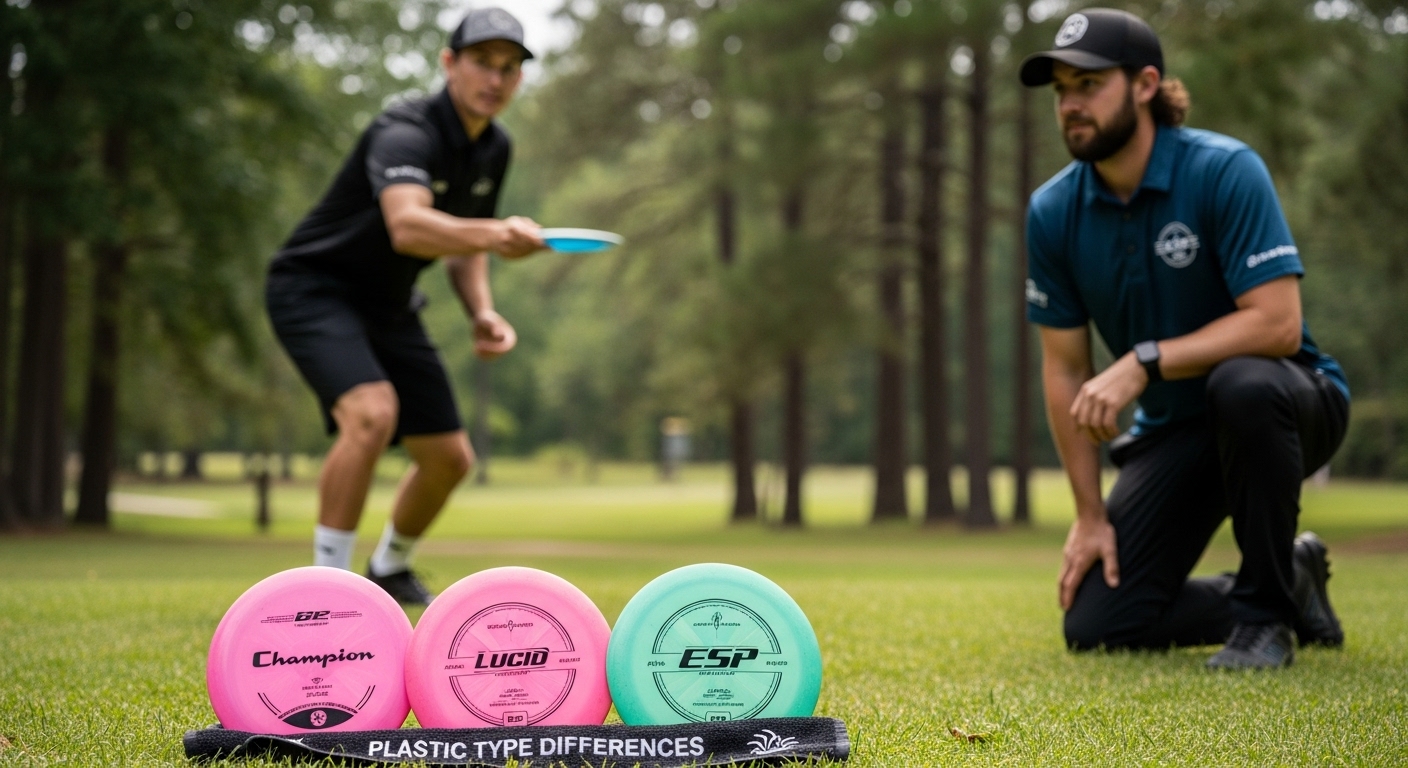
- Innova Champion Plastic: Offers exceptional durability and consistent flight patterns
- Dynamic Discs Lucid Plastic: Provides high transparency and excellent stability
- Discraft ESP Plastic: Delivers balanced flexibility and grip
These specialized plastics represent more than material choices. They embody sophisticated engineering designed to enhance player control, optimize disc trajectory, and withstand diverse environmental challenges.
Performance Considerations in Real Gameplay
Real world disc golf scenarios reveal how plastic composition directly impacts performance. Temperature variations, ground impact, and throwing technique all interact with plastic properties. A disc manufactured with high quality polymers maintains its flight characteristics longer, resisting deformation and providing predictable performance across multiple rounds.
If you are interested in exploring the nuanced world of disc selection, check out our recommended putters to understand how specific plastic types can transform your game. By matching plastic characteristics to individual playing styles, disc golfers can significantly enhance their competitive edge.
Choosing the Right Plastic for Your Game
Selecting the appropriate disc golf plastic is a nuanced decision that requires understanding your personal playing style, skill level, and environmental conditions. The right plastic can dramatically enhance performance, while the wrong choice might limit your potential on the course.
Matching Plastic to Playing Style
Players must consider their individual throwing techniques when selecting disc plastics. Aggressive throwers who generate high velocity shots need more durable plastics that resist deformation. Conversely, precision players focusing on control might prioritize grippier materials that provide enhanced hand feel and predictable release characteristics.
Performance Considerations by Skill Level
Different skill levels demand distinct plastic characteristics. Beginners typically benefit from more forgiving plastic types that offer:
- Increased Grip: Helps maintain control during throwing mechanics
- Higher Flexibility: Reduces penalties for imperfect technique
- Lower Cost: Allows experimentation without significant investment
Advanced players often seek premium plastics that provide:
- Consistent Flight Patterns: Enables precise shot shaping
- Enhanced Durability: Maintains disc performance over extended use
- Specialized Weight Distributions: Supports advanced throwing techniques
Environmental Adaptation Strategies
Environmental factors play a crucial role in plastic selection. Temperature fluctuations, humidity levels, and terrain diversity significantly impact disc behavior. Players competing in varied conditions should consider versatile plastic blends that maintain consistent performance across different scenarios.
Discover the best beginner discs that can help you navigate the complex world of disc selection. By understanding how plastic types interact with your unique playing characteristics, you can make informed decisions that elevate your disc golf performance.
Ready to Choose the Perfect Disc Golf Plastic for Your Game?
Struggling to figure out which disc golf plastic matches your playing style or weather conditions? You are not alone. Many players find it tough to balance grip, durability, and performance when picking out new discs. Terms like baseline, premium, and stability can be confusing if you want to improve your throws and get consistent results.

Get the clarity you need by shopping where expertise meets selection. At golfdiscs.com, you can find discs crafted from every type of plastic mentioned in our article. Explore more about beginner disc choices or learn how plastic types truly affect your game. Make your next round your best yet by selecting discs that match your skill and ambition. Start browsing now and take the guesswork out of building your perfect disc golf lineup.
Frequently Asked Questions
What are the different types of disc golf plastics?
Disc golf plastics are typically categorized into three primary types: baseline, standard, and premium. Baseline plastics are economical and softer, standard plastics offer moderate durability, and premium plastics provide superior performance, stability, and longevity.
How does disc golf plastic type affect performance?
The plastic type influences key performance factors like grip, stability, and durability. Softer plastics enhance grip and control, ideal for putting, while harder plastics resist deformation and provide consistent flight paths, particularly beneficial for distance drives.
What should I consider when choosing disc golf plastic?
Consider your throwing technique, skill level, and typical playing conditions. Softer plastics are better for control-focused players, while advanced players may prefer harder plastics for long-term performance and durability.
How does temperature affect disc golf plastic performance?
Temperature can significantly impact a disc’s flexibility and stability. Some advanced polymer blends maintain consistent performance across varied temperature ranges, while others may become too stiff or too flexible in extreme conditions.