
0

Understanding Discmania Plastic Types for Better Play
Disc golfers can spend hours debating the best discs for every throw, but few realize how much the plastic type changes the entire game. Most think it all boils down to personal grip or color preference. The real shock is that the right plastic can mean the difference between a perfect shot and a disc lost in the woods, and some Discmania plastics keep their original flight paths and weight far longer than cheaper blends.
Table of Contents
- What Are Discmania Plastic Types And Their Characteristics?
- Why Discmania Plastic Types Matter For Disc Golf Players
- How Discmania Plastic Types Influence Flight And Performance
- Comparing Discmania Plastic Types: Choosing The Right One
Quick Summary
| Takeaway | Explanation |
|---|---|
| Select plastic based on skill level | Beginners should use more flexible plastics, while advanced players need precision options for optimal performance. |
| Consider grip and comfort | Different plastic types offer varied grip; select what’s comfortable for better control during throws. |
| Understand weather influence on performance | Different plastics react uniquely to temperature and humidity, affecting how discs perform in various environmental conditions. |
| Evaluate disc for specific courses | Match disc plastic type to your throwing power and course challenges to enhance your gameplay strategy. |
| Prioritize durability in high-speed throws | For powerful throws, choose durable plastics that can withstand wear and maintain performance over time. |
What Are Discmania Plastic Types and Their Characteristics?
Discmania discs represent a specialized category of disc golf equipment where plastic composition significantly influences performance and durability. Understanding these plastic types helps players select the right disc for their playing style and skill level.
Core Plastic Categories
Discmania offers several primary plastic types, each with unique characteristics that impact disc flight and handling. Players can choose from different plastic grades depending on their specific needs and preferences. Read more about disc golf plastic variations.
The primary Discmania plastic categories include:
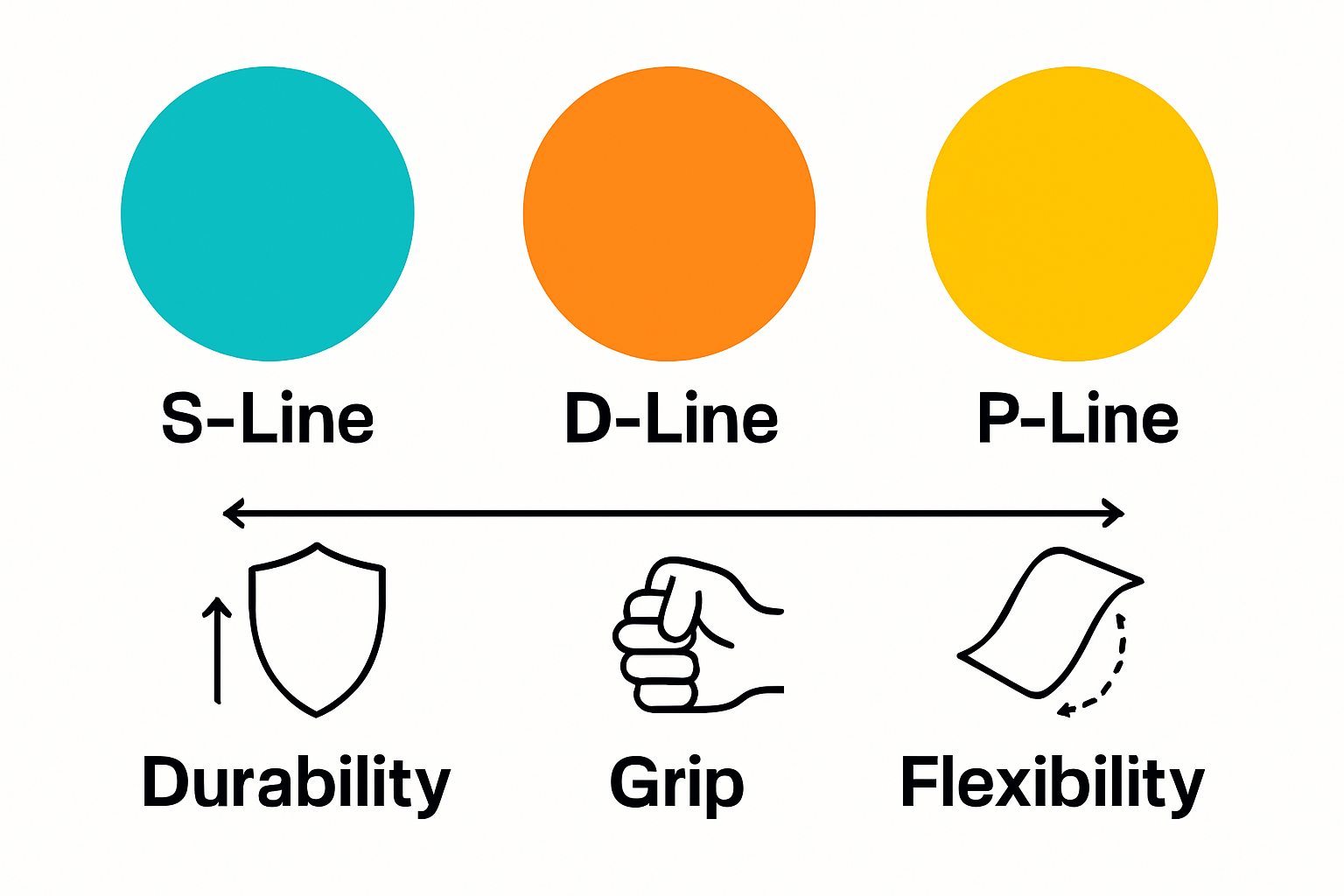
- S-Line: Premium performance plastic with superior durability and consistent flight characteristics
- D-Line: Softer, more flexible plastic ideal for beginners and approach shots
- P-Line: Precision plastic offering excellent grip and control for putting and midrange throws
Performance and Durability Considerations
Each plastic type undergoes careful engineering to provide specific performance attributes. Factors like grip, flexibility, weight, and wear resistance determine how a disc will perform under different playing conditions. According to the Professional Disc Golf Association, disc plastic composition must meet strict technical standards to ensure fair play and consistent performance.
Advanced players often maintain multiple discs in different plastic types to accommodate various course challenges and throwing techniques.
Below is a comparison table summarizing the core Discmania plastic types, highlighting their key characteristics and the player type or situations where they are most effective.
| Plastic Type | Grip | Durability | Flexibility | Best For |
|---|---|---|---|---|
| S-Line | Moderate-High | Superior | Low (Firm) | Advanced play, durability |
| D-Line | High | Moderate | High (Soft/Flex) | Beginners, short throws |
| P-Line | Very High | Good | Moderate | Putting, controlled shots |
| The right plastic can significantly enhance a player’s accuracy, distance, and overall disc golf experience. |
Why Discmania Plastic Types Matter for Disc Golf Players
Discmania plastic types are far more than mere material variations. They represent critical performance factors that directly impact a player’s throwing precision, disc stability, and overall game strategy. Understanding how different plastic compositions influence disc behavior becomes essential for players seeking to optimize their performance.
The table below outlines how choosing different plastic types can impact key performance factors, helping readers match their disc selection to their play style and skill level.
| Factor | S-Line (Premium) | D-Line (Baseline/Flexible) | P-Line (Precision) |
|---|---|---|---|
| Grip | Moderate-High | High | Very High |
| Durability | Superior | Moderate | Good |
| Flight Consistency | Excellent | Good | Excellent |
| Ideal for Skill Level | Advanced/Competitive | Beginner/Flexible Play | Intermediate/Putting |
| Environmental Adaptability | High | Moderate | High |
Performance Impact of Plastic Selection
The plastic type significantly affects a disc’s fundamental characteristics. Grip, durability, and flight consistency are three primary factors that change dramatically based on plastic composition. Check out our guide on disc golf terminology to better understand these nuanced performance elements.
Key performance variations include:
- Grip Differences: Softer plastics provide superior hand traction during release
- Weight Retention: Premium plastics maintain consistent weight and shape over extended use
- Temperature Responsiveness: Different plastics react uniquely to environmental conditions
Skill Level and Plastic Selection
Players at different skill levels require distinct plastic characteristics. Beginners typically benefit from more forgiving, flexible plastics that allow easier manipulation and control. Advanced players prefer specialized plastics offering precise flight paths and enhanced durability.
According to research on disc golf equipment design, the intricate relationship between plastic type and disc performance mirrors the precision engineering found in professional sports equipment. Professional players meticulously select plastic types that complement their throwing techniques, understanding that material science plays a crucial role in competitive disc golf.
How Discmania Plastic Types Influence Flight and Performance
The intricate relationship between disc plastic composition and flight characteristics represents a critical aspect of disc golf performance. Different plastic types fundamentally alter how a disc moves through the air, responding to subtle variations in material properties and design.
Aerodynamic Interactions of Plastic Composition
Plastic type directly impacts a disc’s aerodynamic profile, affecting critical flight parameters such as speed, stability, and glide. Explore our comprehensive guide to disc golf flight numbers to understand these complex interactions.
Key aerodynamic factors influenced by plastic type include:
- Surface Texture: Smoother premium plastics reduce air resistance
- Weight Distribution: Plastic density impacts disc momentum and trajectory
- Flexibility: Material elasticity affects disc deformation during flight
Thermal and Environmental Performance
Discmania plastic types demonstrate remarkable adaptability to environmental conditions. Temperature, humidity, and altitude can significantly modify disc behavior. Premium plastics often provide more consistent performance across diverse environmental scenarios.
Advanced players recognize that plastic selection is not merely about material preference but about understanding how different compositions respond to external factors. According to research on disc golf equipment design, the molecular structure of disc plastics plays a crucial role in maintaining predictable flight characteristics under varying conditions.
Comparing Discmania Plastic Types: Choosing the Right One
Selecting the appropriate Discmania plastic type requires careful consideration of individual playing style, skill level, and performance objectives. Players must evaluate multiple factors to optimize their disc selection strategy and enhance overall gameplay experience.
Performance Matching Strategy
Discmania plastic types are not universal solutions but specialized tools designed for specific throwing techniques and course conditions. Learn more about disc selection techniques to refine your approach to plastic selection.
Critical considerations when matching plastic types include:
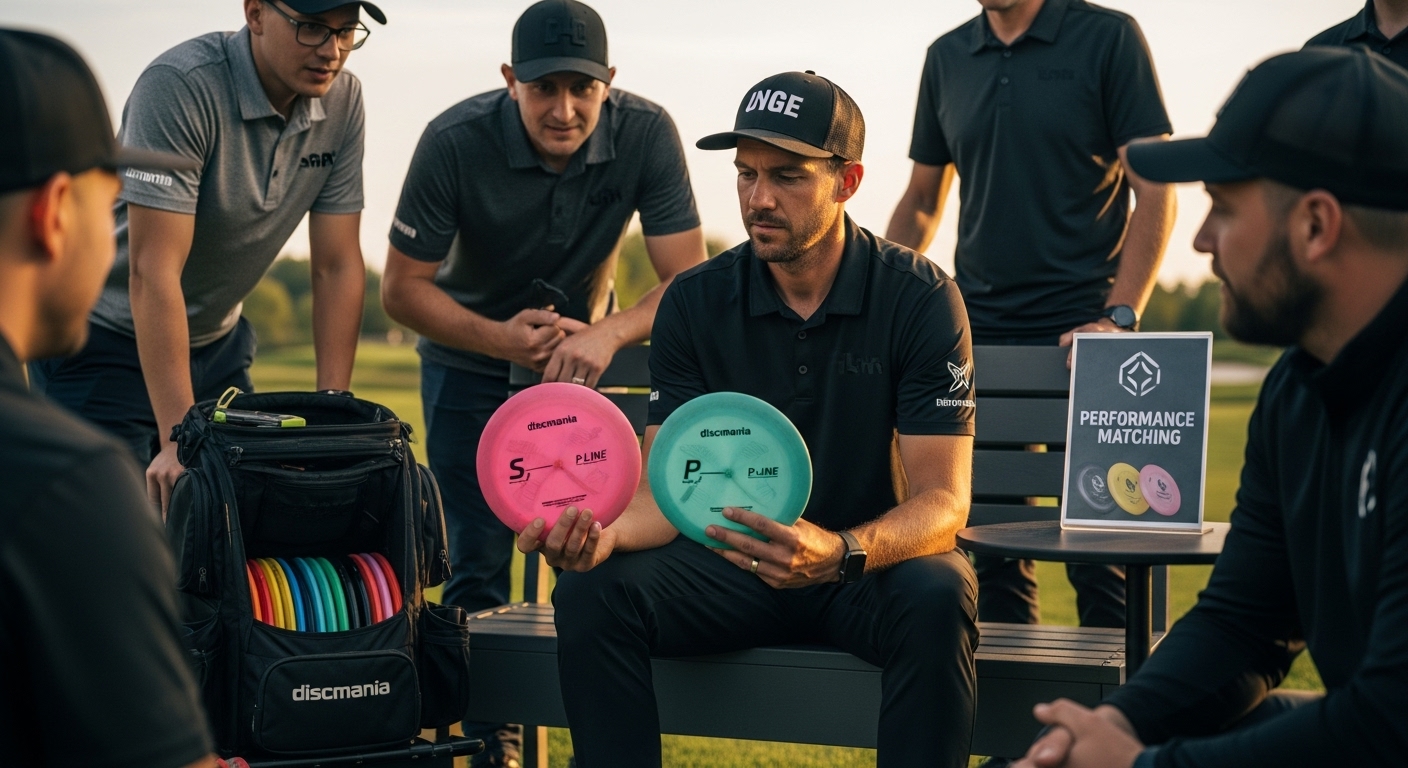
- Throwing Power: Higher-speed throws require more durable plastics
- Playing Environment: Temperature and terrain impact plastic performance
- Personal Comfort: Grip preference influences disc selection
Skill Level and Plastic Progression
Beginners and advanced players require distinctly different plastic characteristics. New players benefit from more forgiving, flexible plastics that provide easier control and consistent performance. Professional-level players demand precision plastics with minimal deviation and enhanced durability.
According to research on disc golf equipment selection, the molecular composition of disc plastics plays a significant role in determining performance characteristics. Understanding these nuanced differences allows players to make informed decisions that directly impact their gameplay effectiveness.
Ready to Find the Perfect Discmania Plastic for Your Game?
Do you feel overwhelmed by plastic choices and unsure which Discmania disc will actually improve your throws? The article above highlights how much your plastic selection impacts accuracy, grip, and confidence on the course. Many players struggle to match the right disc to both their skill level and playing conditions, which can make every round less enjoyable than it should be. If you are tired of inconsistency and want to see real progress, our site is built to help you make smarter selections. Check out our disc golf terminology guide to get comfortable with performance terms and then visit our main shop to see the full range of Discmania plastics for every level.

Ready to stop guessing and start playing with confidence? Visit golfdiscs.com right now to explore all plastic types and get expert advice with every purchase. Demand consistency and control on every throw. Shop now and take charge of your disc golf experience today.
Frequently Asked Questions
What are the main types of Discmania plastic?
Discmania offers three primary plastic types: S-Line, D-Line, and P-Line. S-Line is a premium performance plastic known for its durability and consistent flight. D-Line is softer and more flexible, making it ideal for beginners. P-Line is designed for precision, offering excellent grip for putting and midrange throws.
How does the plastic type affect grip and durability?
The plastic type plays a crucial role in a disc’s grip and durability. Softer plastics like D-Line provide a better grip during release, while premium plastics like S-Line maintain their shape and functionality over time, ensuring longevity and consistent performance.
Why is the selection of plastic important for different skill levels?
Different skill levels require specific disc characteristics. Beginners benefit from flexible plastics, which allow easier control, while advanced players prefer specialized plastics that enhance precision and provide predictable flight paths, catering to their more advanced throwing techniques.
How does weather influence disc performance based on plastic type?
Weather conditions such as temperature and humidity can significantly affect disc performance. Premium plastics usually offer enhanced adaptability, providing consistent performance across varying environmental conditions, while softer plastics may react differently to changes in the weather.