If you play in tournaments or anything resembling a disc golf competition, odds are you’ll encounter someone trying to cheat somewhere along the line. Even though there are many ways to cheat in disc golf, this post specifically deals with someone who tries to under-report their score on one or multiple holes: the player who shoots a 4 but calls out “3” when you ask for their score. This article will offer some advice on dealing with this behavior, and what the PDGA rules say about it.
Author: Tyler
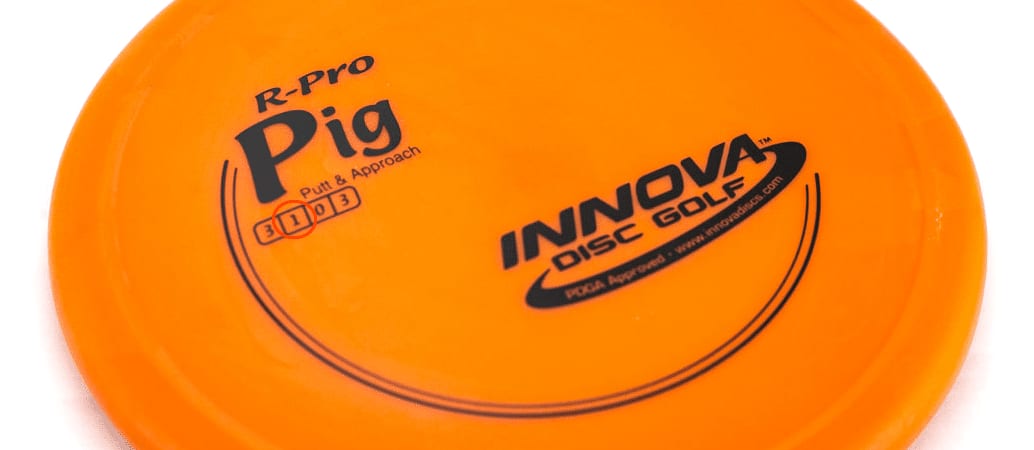
Fade, the fourth and final number in the traditional disc flight rating, is what a disc does at the end of flight when the forward velocity and rotation start to slow down. We dive into all of the ways that you can make Fade work for your game.
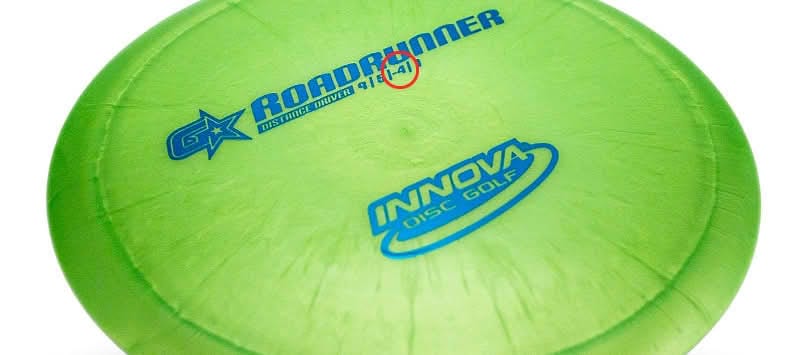
Turn is probably the most important rating for a beginner to understand about golf discs. So, what is turn and why do you want it? We answer those questions and more in this latest post.
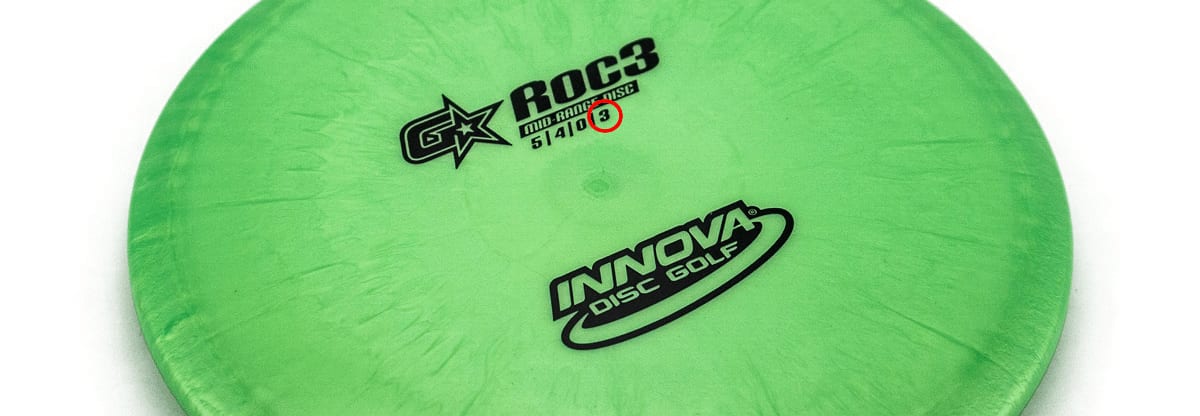
Glide is essentially a measure of lift, which is a term that comes from aerodynamics and describes the force acting upon the disc perpendicular to it’s direction of flight. Together, we’ll examine all of the factors that effect glide and figure out how to master it for better throws.
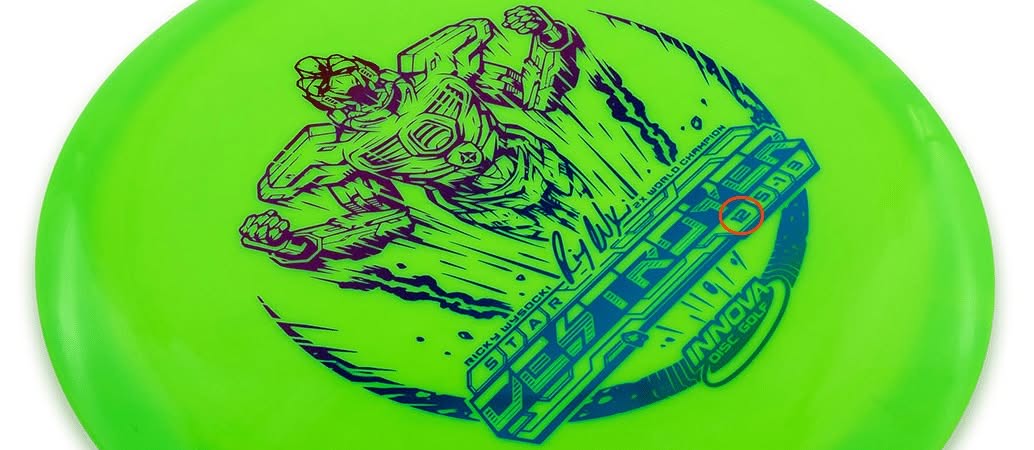
Speed is the first number in the traditional flight rating system, highlighted above on an Innova Destroyer. Speed can range in value from 1 to 15, and generally is correlated to the Rim Width of the disc: Discs with wide rims and a “sharper” profile will typically have higher Speed values, while discs with narrower…